-
Tourism as a bridge for cooperation between Uzbekistan and the EU
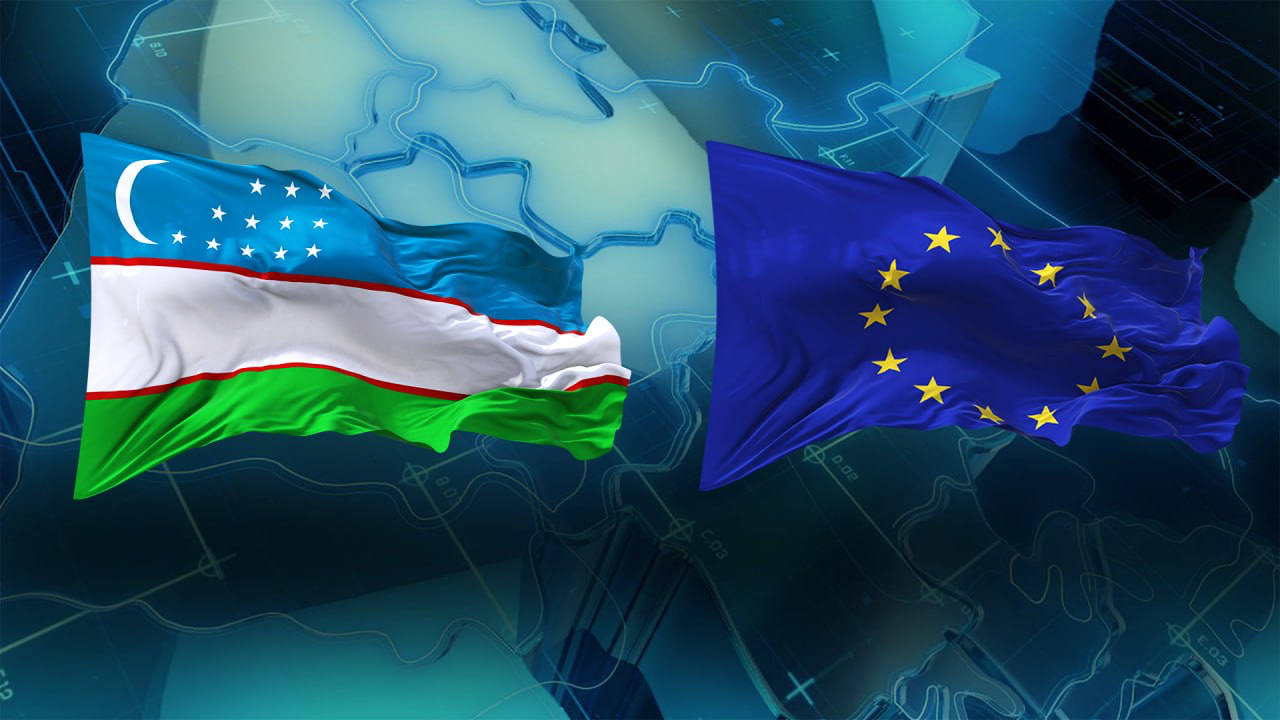
741In recent years, tourism has become one of the priority areas in Uzbekistan’s foreign economic strategy. As part of this policy, the country is actively strengthening its partnership with the European Union, turning the tourism sector into a powerful driver of economic growth, cultural exchange, and enhanced international reputation.
-
Uzbekistan: A Human-Centered and Systematic Approach to Labor Migration Management
1048In recent years, Uzbekistan has undertaken comprehensive reforms in the field of labor migration. These changes are aimed at ensuring the safe and legal employment of citizens abroad, while protecting their rights and interests.
The authorized body responsible for coordinating labor migration — the Migration Agency under the Cabinet of Ministers of the Republic of Uzbekistan — implements state policy in line with national labor market needs and global trends.
-
Uzbekistan’s emerging startup ecosystem: a rising global innovation platform
627Five years ago, the startup ecosystem in Uzbekistan was said to be fledgling. Today's fast-changing market is defined by a consistent increase in investment activity, the opening of new venture capital funds, and increasing worldwide participation. Driven by aspirational economic changes and an innovative national strategy, what took decades in other countries has been accomplished in a fraction of the time. Uzbekistan is starting to present itself as a worldwide hub for entrepreneurs and technologically advanced businesses. Here is a closer view of the groundwork underlying this development.
-
The EU's Role in Uzbekistan’s Transformation: Supporting Human Development and Education
616Since 2017, relations between Uzbekistan and the European Union have have entered a phase of dynamic growth. The reform agenda of President Shavkat Mirziyoyev has laid a solid foundation for deep and effective cooperation with the EU. Today, Brussels increasingly views Uzbekistan as a country with strong potential to become a model of sustainable transformation in Central Asia.
-
Uzbekistan–Belgium Relations: Trust, Pragmatism and Prospects for a New Stage of Partnership
532Relations between the Republic of Uzbekistan and the Kingdom of Belgium are based on mutual respect, equality and constructive dialogue. Belgium recognized Uzbekistan’s independence on 31 December 1991, and diplomatic relations were established on 10 March 1992. In 1995, the Embassy of Uzbekistan opened in Brussels, while Belgium coordinates cooperation through its diplomatic mission in Astana.
-
The Significance and Prospects of Cooperation Between Uzbekistan and the European Union in the Field of Critical Minerals
699The world is entering an era where the energy transition and the “green economy” require not only political will but also resilient supply chains for critical minerals. In this global transformation, Uzbekistan confidently positions itself as a reliable partner for Europe—offering not only a rich resource base, but also a sustainable cooperation model built on innovation, transparency, and mutual benefit.
-
Uzbekistan and Belgium: New Opportunities for “Green” Cooperation
558Uzbekistan continues to actively strengthen international environmental cooperation, focusing on the exchange of experience, the introduction of modern technologies and the search for sustainable solutions to protect the environment. In this context, Belgium is viewed as a promising partner — a country with extensive expertise in sustainable natural resource management and green innovation.
-
The Gateway to Europe: Prospects for Uzbekistan–Belgium Agricultural Cooperation
703From the earliest years of independence, Uzbekistan has sought to establish close partnership relations with Europe and its member states. In this direction, the opening of the Uzbek Embassy in Brussels in 1993 marked the beginning of official diplomatic relations between the two countries. In 1996, a double taxation avoidance agreement was signed, followed by an investment protection agreement in 1998. These documents strengthened legal guarantees for entrepreneurs of both countries and laid the foundation for cooperation in the agricultural sector.
-
Uzbekistan’s Experience in Poverty Reduction and the Formation of a New Social Protection Model
504Since 2017, President Shavkat Mirziyoyev’s administration has pursued a sweeping reform agenda, liberalizing the economy while strengthening social welfare. These reforms are enshrined in new policies and the 2023 Constitution, which explicitly defines Uzbekistan as a “social state” responsible for ensuring employment and reducing poverty. The government’s national strategy (“Uzbekistan–2030”) even set a target of halving poverty by 2026. In short, Uzbekistan’s policy framework has shifted toward the combined goals of economic growth and inclusive social protection.